


If you’ve survived emotional abuse, you might recognize a particular kind of emptiness—one that’s hardIf you’ve survived emotional abuse, you might recognize a particular kind of emptiness—one that’s hard to name and even harder to explain. It’s not just sadness. It’s not simple loneliness. It’s a hollowed-out feeling, like something essential inside you has been quietly erased.
You’re not broken. What you’re experiencing is a documented psychological response to sustained emotional harm, and understanding why this emotional abuse emptiness exists is often the first step toward reclaiming yourself. For an in-depth look at the broader impacts of emotional trauma, you can explore the psychological damage that abuse leaves behind.
What Is Emotional Abuse?
Emotional abuse is a pattern of behavior in which one person systematically undermines another’s sense of worth, reality, or autonomy. Unlike physical abuse, it leaves no visible marks—but its psychological impact can be just as severe, if not more enduring.
Emotional abuse includes manipulation, gaslighting, chronic criticism, isolation, intimidation, silent treatment, blame-shifting, and withholding affection as punishment. It operates through control, not violence, and its effects accumulate slowly over time.
What Emotional Abuse Emptiness Actually Feels Like
People who’ve experienced emotional abuse emptiness often describe the emptiness as:
- Feeling disconnected from yourself, like you’re watching your own life from outside
- Not knowing who you are anymore or what you genuinely want
- Struggling to feel joy, even when good things happen
- A persistent numbness that replaces what used to be emotional range
- Feeling like there’s a void where your sense of self used to be
- Difficulty trusting your own thoughts, feelings, or perceptions
One survivor described it as “living in grayscale”—technically functional, but drained of color, meaning, and aliveness. Another said it felt like “being a shell of a person, going through motions without substance.”
This isn’t weakness. It’s what happens when your emotional reality has been systematically invalidated.
Why Emotional Abuse Causes Emotional Abuse Emptiness
The emptiness left by emotional abuse isn’t random. It’s the psychological result of specific patterns of harm.
Identity Erosion and Emotional Abuse Emptiness
Emotional abusers often target your sense of self. Through constant criticism, mockery, or dismissal, they teach you that your thoughts, feelings, and preferences are wrong or worthless. Over time, you learn to suppress your authentic self to avoid conflict or rejection. When you consistently silence who you are, eventually you lose touch with that person entirely.
Chronic Invalidation and Trauma-Induced Emptiness
When someone repeatedly tells you that your feelings are overreactions, that your perceptions are wrong, or that your experiences didn’t happen the way you remember, your internal reality becomes unreliable. This creates a psychological fog where you can no longer trust your own mind. Without that anchor, you feel unmoored—empty of certainty, empty of self-trust.
Emotional Numbing and Emotional Abuse Emptiness
Feeling too much under sustained abuse becomes unbearable. Your nervous system adapts by dampening emotional response altogether. What begins as a protective mechanism—numbing yourself to survive—eventually becomes a pervasive emptiness. You’ve trained yourself not to feel, and now you can’t easily turn feelings back on. This is a concept explored in Emotional Numbness: How to Reclaim Feeling After Trauma, which offers strategies for reconnecting with your emotions after prolonged suppression.
The Collapse of Inner Safety
Healthy emotional development requires internal safety—a secure base from which to explore the world and return to yourself. Emotional abuse destroys this. You learn that expressing needs leads to punishment, that vulnerability invites harm, and that your inner world is not safe to inhabit. The emptiness is the space where your sense of inner refuge used to be.
Research has shown that prolonged emotional abuse can alter stress response systems and affect brain regions involved in emotional regulation and self-referential processing, contributing to feelings of detachment and disconnection from oneself.
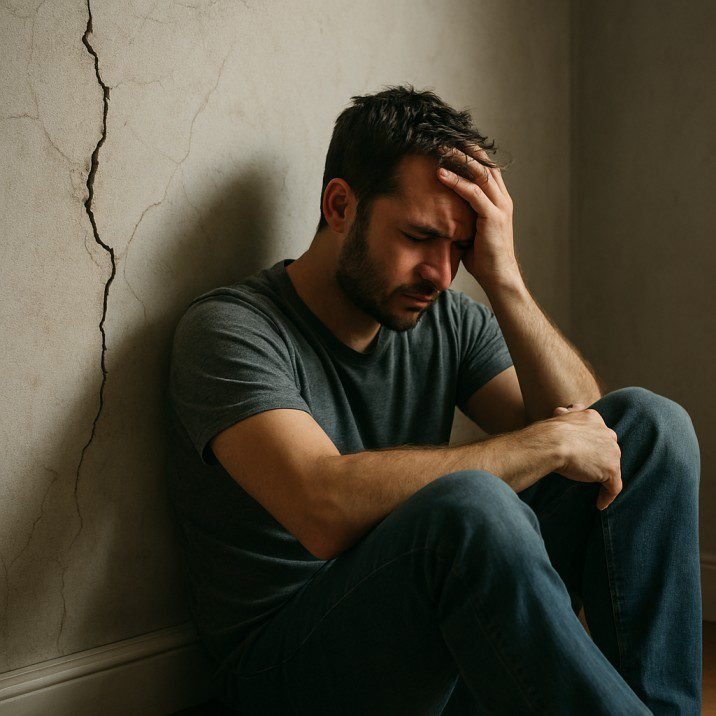
Signs of Emotional Abuse Emptiness After Trauma
You might notice:
- Difficulty identifying what you actually feel in any given moment
- A sense of going through life on autopilot
- Struggling to remember what used to bring you joy
- Feeling guilty or confused when you do experience positive emotions
- Persistent fatigue that isn’t relieved by rest
- Avoiding situations that require emotional presence
- Feeling like a different person than you were before the relationship
- Difficulty imagining a meaningful future
- Withdrawing from friendships or activities that once mattered
- A pervasive sense of meaninglessness or detachment
These aren’t character flaws. They’re signs that your emotional system is still in protective mode. For practical guidance on Reconnecting With Your Emotions After Trauma, you can find practical steps to safely restore your emotional awareness.
How Emotional Abuse Emptiness Affects Your Life and Mental Health
The emptiness doesn’t stay contained. It spreads into:
- Relationships: You may struggle to connect authentically with others, fearing vulnerability or not knowing how to show up as yourself. You might also unconsciously seek relationships that feel familiar—even if they’re unhealthy—because they match your internal emotional landscape.
- Decision-Making: Without access to your authentic feelings and desires, even small decisions can feel overwhelming. You’ve lost the internal compass that once guided you.
- Self-Worth: The emptiness reinforces beliefs planted during the abuse—that you’re not enough, that you don’t matter, that you’re fundamentally flawed. It becomes evidence in your mind that something is deeply wrong with you.
- Mental Health: Emotional emptiness is closely linked to depression, complex trauma responses, and dissociation. Left unaddressed, it can deepen into more severe psychological distress.
- Physical Health: Chronic emotional disconnection affects the body. You might experience disrupted sleep, digestive issues, tension, or a weakened immune response.
The cost of carrying this emptiness is real, and it deserves compassionate attention.
Healing Emotional Abuse Emptiness: Evidence-Based Strategies
Healing from emotional abuse and reclaiming your inner life is possible. It requires time, patience, and often support—but the emptiness does not have to be permanent.
Reconnect With Your Body
Emotional abuse often severs the mind-body connection. Practices that bring you back into physical presence—gentle yoga, walking, stretching, mindful breathing—can help restore the felt sense of being alive.
Validate Your Own Experience
One of the most powerful acts of healing is learning to trust yourself again. Start by simply noticing and naming your feelings without judgment: “I feel anxious right now.” “I feel tired.” The goal is to rebuild the internal validation that was taken from you.
Create Safe Spaces for Feeling
Begin allowing yourself to feel in small, contained ways. This might mean journaling for ten minutes, crying during a movie, or letting yourself feel anger in private. You’re teaching your system that it’s safe to feel again.
Seek Trauma-Informed Therapy
Working with a therapist trained in emotional abuse and complex trauma can be transformative. Modalities like trauma-focused CBT, EMDR, internal family systems, and somatic therapies are particularly effective.
Rebuild Your Sense of Self Slowly
Reconnect with who you were before the abuse, and explore who you’re becoming now. Ask yourself gentle questions: What do I actually enjoy? What feels true for me? What do I value?
Establish Boundaries With Ongoing Harm
If you’re still in contact with the person who abused you, or others who invalidate you, healing becomes exponentially harder.
Practice Self-Compassion
The emptiness often comes with harsh self-judgment. Self-compassion isn’t about excusing harm—it’s about treating yourself with the kindness you’d offer a friend in pain.
Tools and Resources That Can Support Your Healing
- Guided journaling prompts designed for trauma survivors
- Grounding and breathing technique resources
- Emotion wheel tools
- Supportive online communities
- Gentle self-care routines
- Books and workbooks written by trauma specialists
These are supplements to, not replacements for, deeper therapeutic work—but they can provide valuable scaffolding. For a broader roadmap, exploring Trauma Recovery can guide you toward sustained, compassionate healing.
Rebuilding After Emotional Abuse Emptiness
The emptiness left by emotional abuse is real, painful, and isolating. But it is not who you are. It’s what happened to you—a protective response to sustained harm, not evidence of permanent damage.
Healing doesn’t mean returning to who you were before. It means gradually discovering who you are now, and building a relationship with yourself rooted in safety, compassion, and truth.
You survived something that tried to erase you. And with time, support, and intentional care, the emptiness can transform into something whole.
References
American Psychological Association. (2020). APA dictionary of psychology: Emotional abuse. https://dictionary.apa.org/emotional-abuse
Karakurt, G., & Silver, K. E. (2013). Emotional abuse in intimate relationships: The role of gender and age. Violence and Victims, 28(5), 804–821. https://doi.org/10.1891/0886-6708.VV-D-12-00041
Teicher, M. H., & Samson, J. A. (2016). Annual research review: Enduring neurobiological effects of childhood abuse and neglect. Journal of Child Psychology and Psychiatry, 57(3), 241–266. https://doi.org/10.1111/jcpp.12507
Lawson, D. M., & Brossart, D. F. (2013). Attachment, interpersonal problems, and treatment outcome in group therapy for intimate partner violence. Psychology of Men & Masculinity, 14(4), 356–365. https://doi.org/10.1037/a0029689
Herman, J. L. (2015). Trauma and recovery: The aftermath of violence—from domestic abuse to political terror. Basic Books.
van der Kolk, B. A. (2014). The body keeps the score: Brain, mind, and body in the healing of trauma. Penguin Books.
National Domestic Violence Hotline. (2021). What is emotional abuse? https://www.thehotline.org/resources/what-is-emotional-abuse/
Substance Abuse and Mental Health Services Administration. (2014). SAMHSA’s concept of trauma and guidance for a trauma-informed approach. HHS Publication No. (SMA) 14-4884.
Walker, P. (2013). Complex PTSD: From surviving to thriving. Azure Coyote.
World Health Organization. (2012). Understanding and addressing violence against women: Intimate partner violence. https://www.who.int/publications/i/item/WHO-RHR-12.36
