


If you’re reading this, something inside you knows that the relationship you’re in—or were in—has changed you in ways that feel deeply unsettling. You might have caught yourself wondering when you became so unsure of your own thoughts, so careful with your words, or so distant from the person you used to be. That feeling of being lost in a narcissist’s shadow, of your own light dimming day by day, is real. And it has a name.
This experience is part of a broader pattern of psychological damage after emotional abuse, where prolonged relational harm gradually reshapes your self-perception, emotional safety, and sense of identity. Recognizing these patterns is the first step toward reclaiming your authentic self.
What It Means to Lose Yourself in a Narcissistic Relationship
Living in a narcissist’s shadow refers to the gradual erosion of your sense of self that occurs when you’re in a close relationship with someone who has narcissistic personality traits or Narcissistic Personality Disorder. This experience involves the steady diminishment of your own needs, preferences, boundaries, and personal identity as the narcissistic individual’s demands, emotions, and self-image take center stage in your shared life.
This isn’t about occasional selfishness or minor relationship conflict. It’s a persistent pattern where one person’s reality consistently overshadows, dismisses, or invalidates yours until you begin to lose touch with who you are apart from them.
What It Actually Feels Like
The experience of losing yourself in a narcissistic relationship unfolds slowly, almost imperceptibly, until one day you realize you barely recognize yourself.
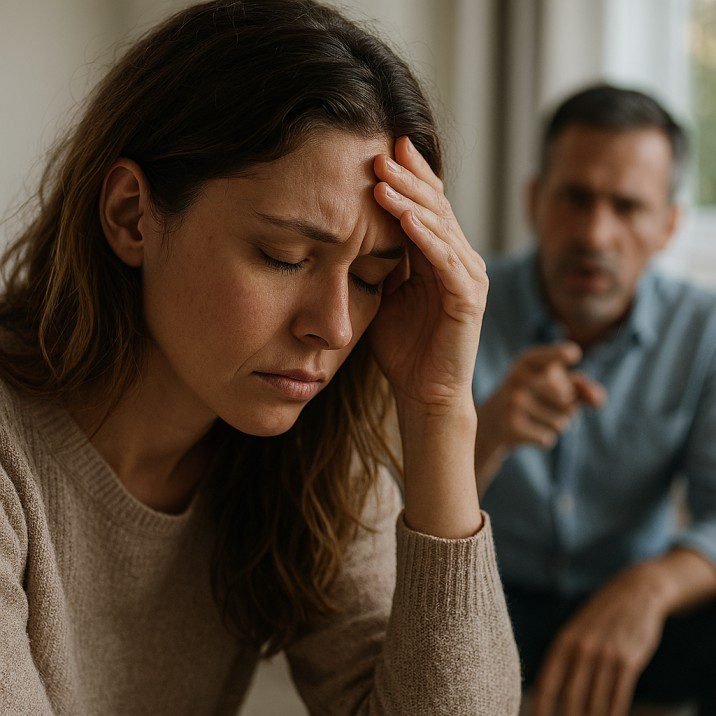
You might feel like you’re constantly walking on eggshells, carefully monitoring your words and actions to avoid triggering anger, withdrawal, or criticism. Over time, your inner world becomes consumed with anticipating their needs, managing their moods, and preventing the next conflict. This constant vigilance is mentally and emotionally exhausting.
Many people describe feeling invisible or hollow. Your accomplishments are minimized or co-opted. Your pain is dismissed or turned back on you. Your opinions are subtly ridiculed until you stop offering them. You become uncertain of your own perceptions, questioning whether you’re too sensitive, too demanding, or misremembering events.
There’s often a profound loneliness that comes with this experience. Even when you’re physically together, you feel unseen. The relationship revolves around their narrative, their feelings, their version of reality. You become a supporting character in someone else’s story, and your own story fades into the background.
Why This Happens: The Psychological Mechanics
Understanding why this erosion of self occurs can help you recognize it’s not your fault and not a reflection of your worth.
Narcissistic individuals have an inflated but fragile sense of self that requires constant external validation. They often lack genuine empathy and have difficulty recognizing others as separate people with their own legitimate needs and feelings. To maintain their self-image, they need the people around them to reflect back their desired version of themselves.
This creates a relational dynamic where your role becomes one of validation, admiration, and accommodation. Your needs become inconvenient obstacles to their self-regulation. When you express hurt, set boundaries, or shine in ways that don’t serve their narrative, you may face punishment through criticism, silent treatment, rage, or subtle undermining.
Over time, a process called “gaslighting” may occur, where your perceptions and memories are repeatedly questioned and invalidated. You begin to doubt your own judgment. Your reality becomes negotiable, dependent on their approval.
Trauma bonding also plays a role. The intermittent reinforcement pattern—where kindness and cruelty alternate unpredictably—creates a powerful psychological hook that keeps you engaged, always hoping to return to the “good” version of the relationship while blaming yourself for the bad times.
If you’re recognizing this confusing internal collapse, you may also find clarity in understanding the identity crisis that follows emotional abuse, where self-trust and personal meaning are deeply disrupted.
These dynamics aren’t conscious manipulations in every case, but they have profound psychological effects regardless of intent.
Signs You May Be Living in Someone’s Shadow
Recognizing these patterns is essential to reclaiming your selfhood:
Changes in Your Sense of Self
- You struggle to remember what you used to enjoy or value
- You’ve stopped pursuing hobbies, friendships, or goals that once mattered
- You feel uncertain about your own preferences and opinions
- You catch yourself adopting their views as your own without question
Emotional and Mental Shifts
- You’re constantly anxious about their reactions
- You apologize excessively, even for things that aren’t your fault
- You feel responsible for their emotions and happiness
- You experience frequent self-doubt and second-guess your perceptions
Relational Red Flags
- Conversations consistently return to their experiences and feelings
- Your accomplishments are minimized or ignored
- Your pain is met with defensiveness, deflection, or blame
- You feel you can’t express needs without facing negative consequences
- You’re criticized for being “too sensitive” when you express hurt
Social and Behavioral Changes
- You’ve become isolated from friends and family
- You monitor your words carefully before speaking
- You’ve given up on being understood and just go along to keep peace
- People who care about you express concern about changes they’ve noticed
The Impact on Your Mental Health and Life
Living in someone’s shadow takes a measurable toll on psychological wellbeing. Research on narcissistic abuse consistently documents elevated rates of anxiety, depression, post-traumatic stress symptoms, and complex trauma responses in those who’ve experienced these relationships.
The chronic stress of emotional invalidation and unpredictability affects your nervous system, keeping you in a state of hypervigilance. Your self-esteem erodes as you internalize years of subtle and overt criticism. You may develop perfectionism or people-pleasing patterns as coping mechanisms.
The isolation that often accompanies these relationships leaves you without external perspectives to reality-check your experiences. Without that mirror, it becomes harder to trust yourself. Decision-making feels overwhelming because you’ve lost practice trusting your own judgment.
Many people describe feeling like they’re grieving someone who’s still alive—mourning the person they used to be before the relationship reshaped them. This grief is real and valid.
What Actually Helps: Evidence-Aligned Recovery Strategies
Reclaiming yourself after living in someone’s shadow is possible, though it requires patience, support, and intentional practice.
- Reconnect with Your Reality: Begin documenting your experiences, thoughts, and feelings in a private journal. This practice helps you develop trust in your own perceptions again. Write down events as they happen, including dates and specific words, to combat gaslighting and memory doubt.
- Rebuild Your Relationship with Yourself: Start small by identifying your own preferences. What music do you actually like? What would you choose for dinner if it were entirely up to you? These seemingly simple questions help you reestablish an internal compass. Practice saying “I prefer” or “I feel” statements, even just to yourself at first.
- Seek Professional Support: Working with a therapist who understands narcissistic abuse and trauma can be transformative. Look for practitioners trained in trauma-informed approaches, Complex PTSD treatment, or narcissistic abuse recovery. They can help you process what happened, challenge internalized beliefs, and develop healthy relationship patterns.
- Establish and Maintain Boundaries: If you’re still in contact with the narcissistic individual, learning to set boundaries is essential for protection. This might mean limiting topics of conversation, reducing contact, or in some cases, establishing no contact. Boundaries aren’t about changing them—they’re about protecting your emerging sense of self.
- Reconnect with Your Support Network: Reach out to friends or family members you may have lost touch with. Healthy relationships provide the reality-checking and validation that help you trust yourself again. Consider joining support groups for survivors of narcissistic relationships where others understand your experience without judgment.
- Practice Self-Compassion: You will likely feel anger, shame, or confusion about how you “let this happen.” Remember that these relationship dynamics are sophisticated psychological patterns that trap intelligent, capable people. Treat yourself with the same kindness you’d offer a friend in your situation.
Resources and Tools That Can Support Your Journey
As you work toward reclaiming your identity, certain resources can provide structure and guidance during this vulnerable time. If you’re ready to gently explore who you are beyond survival, you may find comfort in guidance that helps you rediscover yourself after trauma and reconnect with your inner voice.
- Educational Materials That May Help: Books and articles specifically addressing narcissistic abuse recovery can help you understand your experience and realize you’re not alone. Look for resources that explain psychological concepts like trauma bonding, gaslighting, and Complex PTSD in accessible language.
- Supportive Tools for Daily Grounding: Meditation apps focused on self-compassion and nervous system regulation can help you manage the anxiety and hypervigilance that often persist after these relationships. Journaling apps with privacy features provide safe spaces to process your thoughts and track your healing progress.
- Community Connection Options: Online support communities and forums for survivors of narcissistic relationships offer validation and shared experiences. These spaces can reduce isolation and provide practical advice from others who’ve walked similar paths.
- Professional Directories: Therapist directories with specific filters for narcissistic abuse recovery, trauma-informed care, or Complex PTSD can help you find qualified support. Many professionals now offer teletherapy options, expanding access to specialized care.
- Self-Assessment Resources: Validated psychological assessments and questionnaires can help you identify patterns in your relationships and track changes in your wellbeing over time. These tools aren’t diagnostic but can provide helpful insights and language for your experiences.
You Haven’t Lost Yourself Permanently
The person you were before hasn’t disappeared completely. They’ve been buried under layers of adaptation, protection, and survival. The feelings, preferences, dreams, and strengths that made you uniquely you are still there, waiting for safe conditions to emerge again.
Recovery doesn’t mean returning to exactly who you were—it means integrating what you’ve learned with who you’re becoming. Many people discover unexpected resilience, deeper empathy, and clearer boundaries through this difficult process. The work of reclaiming yourself is challenging, but it’s also an act of profound self-respect.
You deserve relationships where your reality matters, where your feelings are treated as valid, and where you can exist fully without dimming your light. If you’re ready to continue your healing journey with structured guidance, you may find compassionate support within our Trauma Recovery resources — gentle pathways designed to help you rebuild safety, identity, and emotional trust.
The shadow you’ve been living in doesn’t have to be permanent. With support, time, and intentional effort, you can step back into your own life—changed, yes, but whole.
References
American Psychiatric Association. (2013). Diagnostic and statistical manual of mental disorders (5th ed.). Arlington, VA: American Psychiatric Publishing.
Kacel, E. L., Ennis, N., & Pereira, D. B. (2017). Narcissistic personality disorder in clinical health psychology practice: Case studies of comorbid psychological distress and life-limiting illness. Journal of Clinical Psychology in Medical Settings, 24(1), 64-77.
Mahoney, A., & Sanchez-Palacios, C. (2022). Understanding coercive control in the context of intimate partner violence: A systematic review. Trauma, Violence, & Abuse, 23(5), 1667-1683.
National Domestic Violence Hotline. (2023). What is gaslighting? Retrieved from https://www.thehotline.org
Rhoades, G. K., & Wood, L. F. (2014). Family ties and psychological distress among adult children and their parents. Journal of Family Psychology, 28(5), 692-698.
Stark, E. (2007). Coercive control: How men entrap women in personal life. New York: Oxford University Press.
Sweet, P. L. (2019). The sociology of gaslighting. American Sociological Review, 84(5), 851-875.
Van der Kolk, B. A. (2014). The body keeps the score: Brain, mind, and body in the healing of trauma. New York: Viking.
Walker, L. E. (2009). The battered woman syndrome (3rd ed.). New York: Springer Publishing Company.
World Health Organization. (2022). Mental health and substance use: Intimate partner violence. Retrieved from https://www.who.int
