

Supporting article (P4-S8-A63 · 7 of 7) | Creating a Personal Red Flag List Before You Date
1. Turning General Awareness Into a Specific Tool
Creating a personal red flag list before you date turns general awareness of narcissistic patterns into something specific and immediately usable — your own list, informed by your own history, ready before you need it rather than pieced together under pressure. This concrete preparation is one of the more practical prevention tools available.
This article is part of the broader work covered in preventing narcissistic abuse: how to protect yourself before it starts, which maps the full pattern across this silo. Here, the focus narrows specifically to building this personal tool.
If creating a list like this has ever felt like an unusual or overly clinical thing to do before dating, that instinct toward preparation is actually a reasonable, protective one.
2. A Clear Definition of a Personal Red Flag List
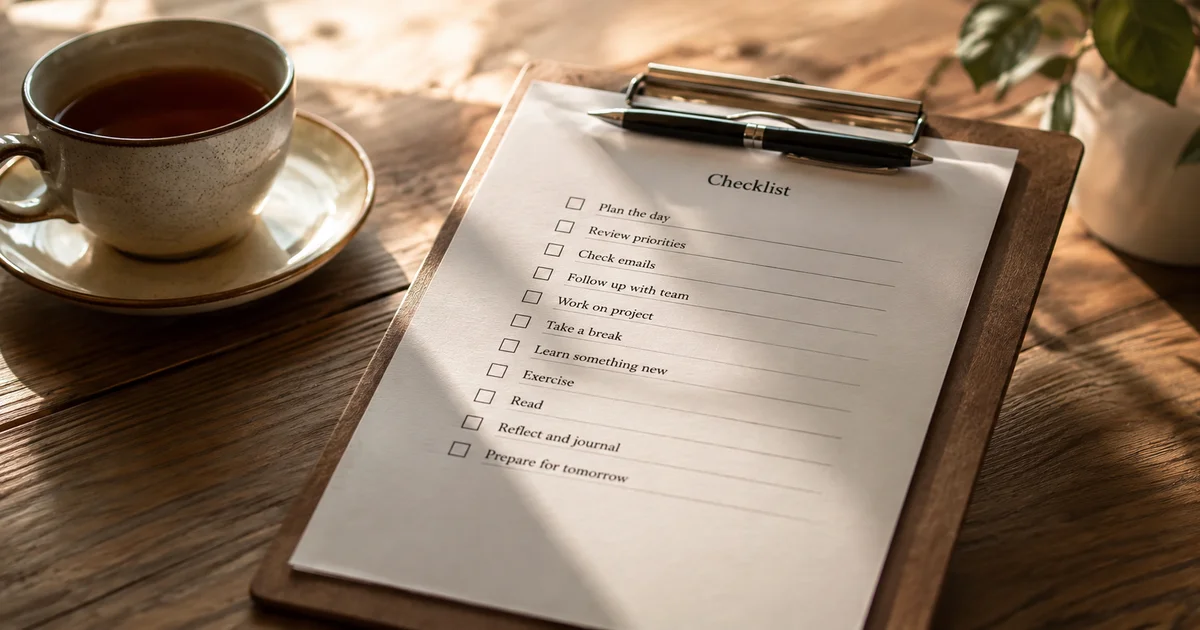
A personal red flag list is a specific, written set of behaviors and patterns — informed by general knowledge and your own past experience — that you commit to taking seriously if you notice them in a new relationship. It differs from simply knowing about red flags in the abstract because it’s concrete, personalized, and prepared in advance, rather than something you have to reconstruct from memory under pressure.
This article focuses specifically on building this personal tool. For the broader prevention toolkit this fits into, see the pillar guide above.
3. What Building This List Feels Like
Creating this list often feels clarifying, especially if you’re drawing on a difficult past relationship — a chance to translate a painful experience into something concrete and useful going forward. Many people describe a mix of discomfort revisiting past patterns and genuine relief at finally having them written down clearly.
That specific feeling of writing down a pattern you lived through and thinking, “I will recognize this immediately next time” — that clarity is real, hard-won protection, even though building it required revisiting something difficult.
4. Why a Written List Works Better Than General Awareness
A written list works better than general awareness because it’s specific and immediately accessible in the moment, rather than requiring you to recall abstract concepts under the pressure and confusion a real situation often produces. Specificity also matters — a list built from your own actual experience tends to be more personally relevant than a generic list drawn from elsewhere.
A common misconception is that a red flag list should be exhaustive to be useful. In practice, even a short list of 5–10 specific, personally meaningful items tends to be more usable than an exhaustive list that’s harder to remember and apply.
Clinicians who work in prevention often recommend building this list from a combination of general education and personal history specifically, since personally relevant items — drawn from your own actual experience — tend to be recognized faster in the moment than abstract, generic ones.
5. What to Include on Your List
Certain categories tend to make for a genuinely useful list:
- Specific behaviors from a past relationship that, in hindsight, were early warning signs
- Patterns you’ve read about that resonate strongly, even without direct personal experience
- Non-negotiable boundaries specific to your own values and needs
- Reactions you want to commit to taking seriously rather than explaining away
- A brief note on what action you’ll take if you notice several items at once
Keeping the list specific and personally meaningful, rather than generic, makes it far more usable when you actually need it.
6. The Effects of Not Having This List Prepared
Without a prepared list, recognizing concerning patterns often happens more slowly, since it requires reconstructing relevant knowledge in real time, under the confusion a real situation tends to produce. Many survivors describe recognizing a pattern clearly only after a relationship ended, wishing they’d had something concrete to reference earlier.
7. What Actually Helps You Use This List Well
Reviewing your list periodically, not just once when you create it, helps keep it genuinely accessible in memory rather than forgotten after the initial effort of writing it. Being willing to update the list as you learn more or reflect further also keeps it useful over time, rather than static.
Knowing how to respond calmly if you notice an item on your list also matters; how to respond to early boundary violations without escalating covers exactly that follow-through skill.
Take a few minutes now to write down three specific things — from past experience or from what you’ve learned — that you want to take seriously if you notice them in a new relationship.
8. Where This Fits Into the Bigger Picture
This personal list is one piece of the larger picture covered in preventing narcissistic abuse: how to protect yourself before it starts, which walks through the full range of prevention strategies across this entire silo. For the wider view across this entire topic, narcissistic red flags: how to spot a narcissist early in a relationship covers the full picture beyond just this silo.
Building broader awareness of narcissistic patterns gives you more to draw from when creating this personal list; building narcissistic abuse awareness as preventative armor covers that foundational knowledge directly.
You do not need a perfect or exhaustive list to benefit from this. Even a few specific, well-chosen items are real, practical protection.
9. A Concrete Tool Ready Before You Need It
Creating a personal red flag list before you date turns general knowledge into something specific and genuinely usable, ready in the moment rather than requiring reconstruction under pressure. This concrete preparation is a real, practical form of protection.
Taking the time to write this list now, before you need it, is a meaningful investment in your own future clarity.
10. Frequently Asked Questions
How long should my red flag list actually be?
A shorter, more specific list of around 5–10 personally meaningful items tends to be more usable than an exhaustive one, since it’s easier to remember and apply in the moment.
Should I share this list with people I’m dating?
That’s a personal choice with no single right answer. Some people find value in discussing boundaries openly; others prefer to keep the list private as their own internal reference.
What if my list feels too influenced by one specific past relationship?
That’s worth reflecting on, though items drawn from real, personal experience are often genuinely useful. Balancing personal history with broader knowledge tends to produce the most well-rounded list.
Should I update this list over time?
Yes, revisiting and updating your list as you learn more or reflect further keeps it genuinely useful rather than a one-time exercise that gets forgotten.
References
- MedlinePlus, National Library of Medicine. Coping with stress and emotional trauma. medlineplus.gov
- National Domestic Violence Hotline. Recognizing patterns in unhealthy relationships. thehotline.org
This article was drafted with AI assistance and reviewed and approved by The Psychanatomy Editorial Team before publication.

