Skip to content
No results
  • Home
  • Abuse & Recovery
    • P1 — Narcissistic Abuse
    • P2 — Psychological Damage
    • P3 — Trauma Recovery
    • P4 — Recognition & Prevention
    • P5 — Narcissism in Specific Contexts
    • P6 — Children, Parenting & Intergenerational Trauma
    • P7 — Life Rebuilding After Abuse
    • P8 — Empowerment, Advocacy & Awareness
  • Wellness
    • W1 — Nutrition & Healthy Eating
    • W2 — Sleep Health
    • W3 — Fitness & Movement
    • W4 — Healthy Living
  • About
  • Contact
logo cropped removebg preview
Psychanatomy
  • P1 — Narcissistic Abuse

Cognitive Manipulation in Narcissistic Abuse: How Your Mind Gets Rewired

A maze of soft garden hedges viewed from above at dusk, one path lit and the rest in shadow

Cognitive manipulation in narcissistic abuse gradually rewires how you think — reshaping your judgment, confidence, and relationship to your own perceptions. The rewiring is invisible from inside the relationship because it happens incrementally, not through a single dramatic event.


  • Dr. Imad Alkamal
  • August 18, 2026
  • P1 — Narcissistic Abuse

How Silent Treatment Conditions Fear of Abandonment in Victims

A single porch light left on at dusk, facing an empty driveway in soft fading light

Repeated use of silence as punishment can condition a lasting fear of abandonment — teaching you to associate any distance with threat. This conditioning can outlast the relationship and affect how you read distance in later ones.

  • Dr. Imad Alkamal
  • August 18, 2026
  • P1 — Narcissistic Abuse

Punishment Cycles in Narcissistic Abuse: Reward, Withdraw, Repeat

A pendulum clock frozen mid-swing on a wall in soft afternoon light

The cycle of warmth, withdrawal, and gradual return trains you to work harder for closeness rather than question whether it should need earning. The warmth that follows withdrawal is not repair; it is the start of the next cycle.

  • Dr. Imad Alkamal
  • August 18, 2026
  • P1 — Narcissistic Abuse

Sulking and Pouting: How Narcissists Use Moods to Control Behavior

A single chair turned slightly away from the rest of a room in soft late-afternoon light

A visibly displayed bad mood — sustained sighs, withdrawn posture, obvious displeasure — can function as pressure without a single direct statement. What distinguishes it from ordinary moods is that it consistently follows specific triggers and requires a specific response.

  • Dr. Imad Alkamal
  • August 18, 2026
  • P1 — Narcissistic Abuse

Withholding Intimacy: How Narcissists Use Sex and Affection as Control

Two sides of an unmade bed, one side with a folded blanket left untouched, in soft early morning light

When physical affection becomes conditional on compliance — offered when you behave as expected, withdrawn when you don't — it stops being care and becomes control. The pattern becomes clearest when you notice its timing rather than its frequency.

  • Dr. Imad Alkamal
  • August 18, 2026
  • P1 — Narcissistic Abuse

Cold Shoulder Tactics: Subtle Emotional Withdrawal as Punishment

Two coffee mugs on a table, one with steam rising, the other pushed farther away and untouched

The cold shoulder — shorter answers, flatter tone, visible distance — communicates displeasure without naming it. What distinguishes it from a bad day is its consistency as a response to specific triggers, and the demand that you address it.

  • Dr. Imad Alkamal
  • August 18, 2026
  • P1 — Narcissistic Abuse

Ghosting by Narcissists: Sudden Disappearance as a Control Tactic

An empty chair pulled slightly away from a table set for two in soft late-afternoon light

Ghosting by narcissists is not an ordinary disappearance — it is a calculated withdrawal used to punish or regain control, often with the expectation of return. What distinguishes it from a clean break is the pattern of return.

  • Dr. Imad Alkamal
  • August 18, 2026
  • P1 — Narcissistic Abuse

Stonewalling in Narcissistic Relationships: Refusal to Engage

A closed door at the end of a hallway with soft light spilling underneath it

Stonewalling is a flat refusal to engage — no response, no acknowledgment, no willingness to discuss. What distinguishes it from needing space after conflict is that it is unilateral, sustained, and consistent in what triggers it.

  • Dr. Imad Alkamal
  • August 18, 2026
  • P1 — Narcissistic Abuse

Silent Treatment as Abuse: How Narcissists Use Silence to Punish and Control

A phone resting face-down on a kitchen counter beside two untouched coffee cups in soft morning light

Silent treatment as abuse is deliberate silence used to punish and control — not a need for space, but a targeted withdrawal. Its effectiveness depends on your fear of disconnection, which it both exploits and compounds over time.

  • Dr. Imad Alkamal
  • August 18, 2026
  • P1 — Narcissistic Abuse

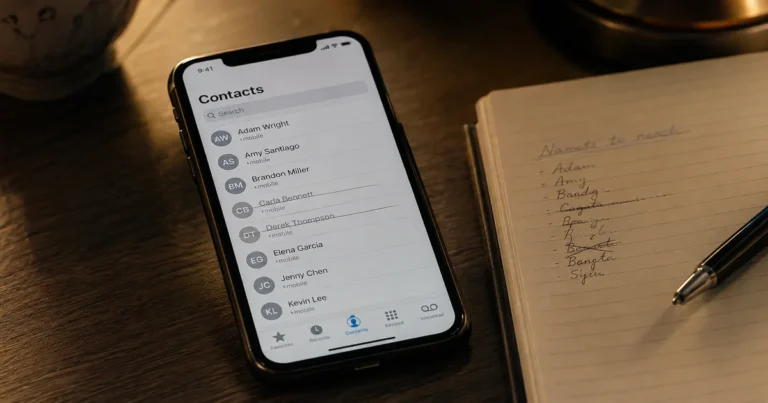
Social Isolation Through Reputation Damage: Cutting Off Your Network

A phone contact list displayed on a desk beside a notebook with several entries faded or crossed out

Losing your support network through reputation damage rather than direct confrontation is a specific form of isolation — harder to name than direct demands, which is part of why it tends to be further along before it is recognized.

  • Dr. Imad Alkamal
  • August 18, 2026
Prev
1 … 6 7 8 9 10 11 12 … 17
Next

Psychanatomy

logo cropped removebg preview

Affiliate Disclosure

This website contains affiliate links, meaning we may earn a commission if you purchase through them, at no extra cost to you. We only recommend products we believe are genuinely helpful and relevant to psychology and mental well-being.

Policies

  • Privacy Policy
  • Editorial Policy
  • Terms and Conditions
  • Affiliate Disclosure
  • Refund Policy
  • Legal Disclaimer
  • Cookie Policy

Explore

  • Home
  • Abuse & Recovery
  • Wellness
  • About
  • Contact

Copyright © 2026 Psychanatomy - All rights reserved

Manage Consent
To provide the best experiences, we use technologies like cookies to store and/or access device information. Consenting to these technologies will allow us to process data such as browsing behavior or unique IDs on this site. Not consenting or withdrawing consent, may adversely affect certain features and functions.
Functional Always active
The technical storage or access is strictly necessary for the legitimate purpose of enabling the use of a specific service explicitly requested by the subscriber or user, or for the sole purpose of carrying out the transmission of a communication over an electronic communications network.
Preferences
The technical storage or access is necessary for the legitimate purpose of storing preferences that are not requested by the subscriber or user.
Statistics
The technical storage or access that is used exclusively for statistical purposes. The technical storage or access that is used exclusively for anonymous statistical purposes. Without a subpoena, voluntary compliance on the part of your Internet Service Provider, or additional records from a third party, information stored or retrieved for this purpose alone cannot usually be used to identify you.
Marketing
The technical storage or access is required to create user profiles to send advertising, or to track the user on a website or across several websites for similar marketing purposes.
  • Manage options
  • Manage services
  • Manage {vendor_count} vendors
  • Read more about these purposes
View preferences
  • {title}
  • {title}
  • {title}

Review My Order

0

Subtotal

Taxes & shipping calculated at checkout

Checkout
0

Notifications