Skip to content
No results
  • Home
  • Abuse & Recovery
    • P1 — Narcissistic Abuse
    • P2 — Psychological Damage
    • P3 — Trauma Recovery
    • P4 — Recognition & Prevention
    • P5 — Narcissism in Specific Contexts
    • P6 — Children, Parenting & Intergenerational Trauma
    • P7 — Life Rebuilding After Abuse
    • P8 — Empowerment, Advocacy & Awareness
  • Wellness
    • W1 — Nutrition & Healthy Eating
    • W2 — Sleep Health
    • W3 — Fitness & Movement
    • W4 — Healthy Living
  • About
  • Contact
logo cropped removebg preview
Psychanatomy
  • P2 — Psychological Damage

Toxic Shame vs Healthy Guilt: What Trauma Does to the Difference

Two lanterns hanging by a door at dusk, one burning steady, one flickering

Trauma collapses the distinction between shame and guilt — turning a functional signal into a fixed, identity-level verdict — and separating them again is one of the more concrete and achievable early tasks in recovery.


  • Dr. Imad Alkamal
  • August 30, 2026
  • P2 — Psychological Damage

Healing Trauma Shame Through the Body: A Somatic Approach

A rolled yoga mat and a small singing bowl with its mallet on a wooden floor

When shame keeps returning despite years of thinking about it, the body may be holding what the mind has already worked through — somatic approaches work from this recognition rather than asking you to reason yourself past a physical response.

  • Dr. Imad Alkamal
  • August 30, 2026
  • P2 — Psychological Damage

Feeling Broken After Trauma: The Psychology Behind It

A ceramic bowl repaired with visible gold kintsugi seams on a wooden table

Feeling broken after trauma — not just hurt but wrong at the root — is one of the most common and least acknowledged effects of sustained harm, and it responds to specific kinds of work rather than simply time passing.

  • Dr. Imad Alkamal
  • August 30, 2026
  • P2 — Psychological Damage

Toxic Guilt After Emotional Abuse: Why Survivors Blame Themselves

An old balance scale tipped down by a single stone on one side, the other side empty

Toxic guilt after emotional abuse keeps you apologizing for someone else's anger and searching your behavior for causes you didn't create — a misdirection that feels convincing because it was learned through repetition.

  • Dr. Imad Alkamal
  • August 30, 2026
  • P2 — Psychological Damage

Shame Cycles After Trauma: Why Shame Keeps Coming Back

A vintage record player's needle caught repeating in a single groove

Shame that seemed resolved can return suddenly, triggered by a comment, a memory, or nothing visible at all — shame cycles recur because the pattern has its own momentum, separate from what you understand about fault.

  • Dr. Imad Alkamal
  • August 30, 2026
  • P2 — Psychological Damage

Trauma Shame and Self-Blame: Why Survivors Feel At Fault

A small pile of dust swept just under the edge of a rug in a sunlit room

Trauma shame and self-blame describe replaying what you could have done differently — as though the harm was a failure of your judgment rather than someone else's choice, which is both a common response and an inaccurate one.

  • Dr. Imad Alkamal
  • August 30, 2026
  • P2 — Psychological Damage

Trauma Anniversary Reactions: Why Certain Dates Feel Unbearable

A stopped wall clock casting a long morning shadow in a quiet room

Certain weeks can arrive with flatness, exhaustion, or dread you can't immediately locate — until you check the calendar and realize the body has been tracking time that your conscious attention had moved past.

  • Dr. Imad Alkamal
  • August 30, 2026
  • P2 — Psychological Damage

How to Calm Trauma Anxiety: Nervous System Techniques

A folded weighted blanket and headphones resting on a made bed in morning light

Standard calming advice often fails with trauma anxiety because the nervous system learned from experience, not from logic — body-based approaches tend to reach what breathing exercises and positive reframes cannot.

  • Dr. Imad Alkamal
  • August 30, 2026
  • P2 — Psychological Damage

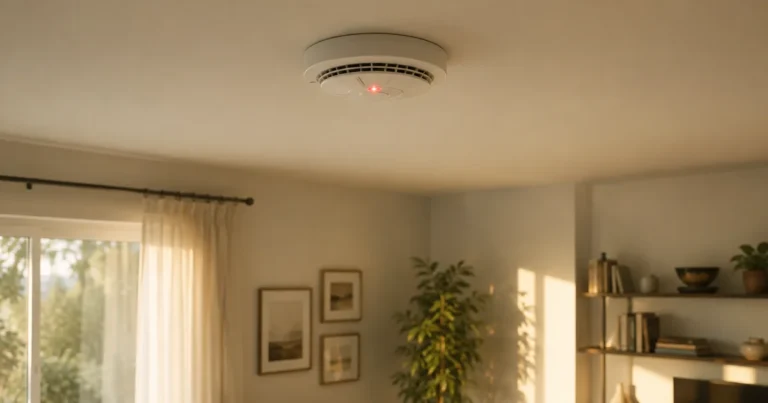
Trauma Triggers: Why Small Things Cause Huge Reactions

A smoke detector's small indicator light blinking on a plain ceiling

A slamming door or specific tone of voice can activate a full threat response even when you're objectively safe — the nervous system learned those cues, and it does not wait for conscious assessment before responding.

  • Dr. Imad Alkamal
  • August 30, 2026
  • P2 — Psychological Damage

Panic Attacks After Trauma: Why Your Body Reacts to No Danger

A glass of water and a folded paper bag on a bedside table beside a lit lamp

A panic attack arrives with terror and physical intensity, with a certainty that something catastrophic is happening even when nothing is — the mechanism is well understood, and understanding it changes the experience.

  • Dr. Imad Alkamal
  • August 30, 2026
Prev
1 … 9 10 11 12 13 14
Next

Psychanatomy

logo cropped removebg preview

Affiliate Disclosure

This website contains affiliate links, meaning we may earn a commission if you purchase through them, at no extra cost to you. We only recommend products we believe are genuinely helpful and relevant to psychology and mental well-being.

Policies

  • Privacy Policy
  • Editorial Policy
  • Terms and Conditions
  • Affiliate Disclosure
  • Refund Policy
  • Legal Disclaimer
  • Cookie Policy

Explore

  • Home
  • Abuse & Recovery
  • Wellness
  • About
  • Contact

Copyright © 2026 Psychanatomy - All rights reserved

Manage Consent
To provide the best experiences, we use technologies like cookies to store and/or access device information. Consenting to these technologies will allow us to process data such as browsing behavior or unique IDs on this site. Not consenting or withdrawing consent, may adversely affect certain features and functions.
Functional Always active
The technical storage or access is strictly necessary for the legitimate purpose of enabling the use of a specific service explicitly requested by the subscriber or user, or for the sole purpose of carrying out the transmission of a communication over an electronic communications network.
Preferences
The technical storage or access is necessary for the legitimate purpose of storing preferences that are not requested by the subscriber or user.
Statistics
The technical storage or access that is used exclusively for statistical purposes. The technical storage or access that is used exclusively for anonymous statistical purposes. Without a subpoena, voluntary compliance on the part of your Internet Service Provider, or additional records from a third party, information stored or retrieved for this purpose alone cannot usually be used to identify you.
Marketing
The technical storage or access is required to create user profiles to send advertising, or to track the user on a website or across several websites for similar marketing purposes.
  • Manage options
  • Manage services
  • Manage {vendor_count} vendors
  • Read more about these purposes
View preferences
  • {title}
  • {title}
  • {title}

Review My Order

0

Subtotal

Taxes & shipping calculated at checkout

Checkout
0

Notifications