
Skip to content
No results
  • Home
  • Abuse & Recovery
    • P1 — Narcissistic Abuse
    • P2 — Psychological Damage
    • P3 — Trauma Recovery
    • P4 — Recognition & Prevention
    • P5 — Narcissism in Specific Contexts
    • P6 — Children, Parenting & Intergenerational Trauma
    • P7 — Life Rebuilding After Abuse
    • P8 — Empowerment, Advocacy & Awareness
  • Wellness
    • W1 — Nutrition & Healthy Eating
    • W2 — Sleep Health
    • W3 — Fitness & Movement
    • W4 — Healthy Living
  • About
  • Contact
logo cropped removebg preview
Psychanatomy
  • W1 — Nutrition & Healthy Eating

Protein Sources: Animal vs. Plant Protein Quality

Flat lay of eggs, chicken breast, and tuna alongside chickpeas, black beans, and tofu on a wooden board in natural light

Animal and plant protein foods differ in amino acid completeness and digestibility. This article explains what those differences mean for meeting protein needs — and what the evidence shows about building adequate intake from either source.

  • Dr. Imad Alkamal
  • October 6, 2026
  • W1 — Nutrition & Healthy Eating

Carbohydrates and Energy: What the Research Shows

Flat lay of whole grain bread, oats, sweet potato, and green beans on a wooden board in warm natural light

Not all carbohydrates affect the body the same way. This article examines the research on carbohydrate quality, how glycemic index works and where it falls short, and what the evidence shows about low-carbohydrate diets.

  • Dr. Imad Alkamal
  • October 6, 2026
  • W1 — Nutrition & Healthy Eating

How Much Protein Do You Actually Need?

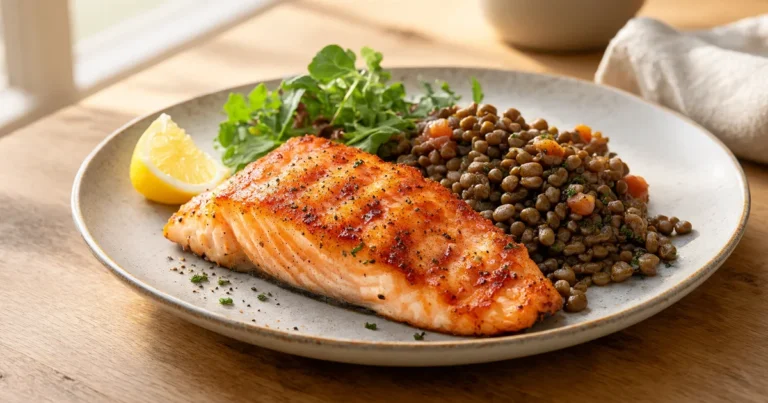
Close-up of a portioned dinner plate with a salmon fillet and lentils on a light wooden table in natural side lighting

The protein you need depends on your body weight, activity level, and age. This article explains the evidence behind daily intake targets for sedentary, active, and older adults — with practical guidance for hitting your range.

  • Dr. Imad Alkamal
  • October 6, 2026
  • W1 — Nutrition & Healthy Eating

What Are Macronutrients: Protein, Carbohydrates, and Fats Explained

Overhead view of three ceramic bowls on a wood surface — one with oats, one with eggs and lentils, one with avocado and nuts

Protein, carbohydrates, and fats each serve distinct biological roles. This core reference explains how all three macronutrients function, how they interact, and introduces the six supporting articles that explore each nutrient thread in depth.

  • Dr. Imad Alkamal
  • October 6, 2026
Prev
1 2

Psychanatomy

logo cropped removebg preview

Affiliate Disclosure

This website contains affiliate links, meaning we may earn a commission if you purchase through them, at no extra cost to you. We only recommend products we believe are genuinely helpful and relevant to psychology and mental well-being.

Policies

  • Privacy Policy
  • Editorial Policy
  • Terms and Conditions
  • Affiliate Disclosure
  • Refund Policy
  • Legal Disclaimer
  • Cookie Policy

Explore

  • Home
  • Abuse & Recovery
  • Wellness
  • About
  • Contact

Copyright © 2026 Psychanatomy - All rights reserved

Manage Consent
To provide the best experiences, we use technologies like cookies to store and/or access device information. Consenting to these technologies will allow us to process data such as browsing behavior or unique IDs on this site. Not consenting or withdrawing consent, may adversely affect certain features and functions.
Functional Always active
The technical storage or access is strictly necessary for the legitimate purpose of enabling the use of a specific service explicitly requested by the subscriber or user, or for the sole purpose of carrying out the transmission of a communication over an electronic communications network.
Preferences
The technical storage or access is necessary for the legitimate purpose of storing preferences that are not requested by the subscriber or user.
Statistics
The technical storage or access that is used exclusively for statistical purposes. The technical storage or access that is used exclusively for anonymous statistical purposes. Without a subpoena, voluntary compliance on the part of your Internet Service Provider, or additional records from a third party, information stored or retrieved for this purpose alone cannot usually be used to identify you.
Marketing
The technical storage or access is required to create user profiles to send advertising, or to track the user on a website or across several websites for similar marketing purposes.
  • Manage options
  • Manage services
  • Manage {vendor_count} vendors
  • Read more about these purposes
View preferences
  • {title}
  • {title}
  • {title}

Review My Order

0

Subtotal

Taxes & shipping calculated at checkout

Checkout
0

Notifications