Skip to content
No results
  • Home
  • Abuse & Recovery
    • P1 — Narcissistic Abuse
    • P2 — Psychological Damage
    • P3 — Trauma Recovery
    • P4 — Recognition & Prevention
    • P5 — Narcissism in Specific Contexts
    • P6 — Children, Parenting & Intergenerational Trauma
    • P7 — Life Rebuilding After Abuse
    • P8 — Empowerment, Advocacy & Awareness
  • Wellness
    • W1 — Nutrition & Healthy Eating
    • W2 — Sleep Health
    • W3 — Fitness & Movement
    • W4 — Healthy Living
  • About
  • Contact
logo cropped removebg preview
Psychanatomy
  • P1 — Narcissistic Abuse

When Narcissistic Rage Becomes Physical: The Escalation Pattern

A single overturned chair beside a quiet, packed bag near a front door in soft early morning light

Narcissistic rage that escalates to physical aggression rarely does so without warning — a recognizable escalation pattern typically builds first. Knowing what the earlier stages look like can matter before the situation reaches a physical line.


  • Dr. Imad Alkamal
  • August 28, 2026
  • P1 — Narcissistic Abuse

Rage Cycles in Narcissistic Abuse: The Explosion-Remorse Pattern

A single wilted flower placed beside a fresh, unopened one on a quiet table in soft afternoon light

Rage cycles follow a recognizable arc: explosion, remorse or unusual warmth, quiet — then the same explosion again. The remorse phase is part of the cycle, not a departure from it — which makes it so difficult to act on.

  • Dr. Imad Alkamal
  • August 28, 2026
  • P1 — Narcissistic Abuse

How Narcissistic Rage Differs From Normal Anger

Two identical teacups side by side, one calmly steaming and one tipped and empty, in soft window light

Ordinary anger responds to a real problem and fades when it passes. Narcissistic rage is proportionally different and serves a different function — it is control, not communication — and that distinction changes what a useful response looks like.

  • Dr. Imad Alkamal
  • August 28, 2026
  • P1 — Narcissistic Abuse

Intimidation Without Violence: How Narcissists Use Fear Non-Physically

A closed door with a shadow paused just outside it, warm entryway light spilling underneath

Genuine fear can be produced through tone, silence, physical presence, and timing — without a raised hand. Non-physical intimidation is harder to name because it leaves nothing visible, but its effects on your nervous system are real.

  • Dr. Imad Alkamal
  • August 28, 2026
  • P1 — Narcissistic Abuse

Walking on Eggshells: Living With Unpredictable Narcissistic Anger

A floor scattered with a few real eggshells among careful footprints in soft morning light

Walking on eggshells describes constant, exhausting calculation of how to speak and move to avoid triggering an explosion. The sustained effort itself causes damage — not just the explosions it is trying to prevent.

  • Dr. Imad Alkamal
  • August 28, 2026
  • P1 — Narcissistic Abuse

Triggers of Narcissistic Rage: What Sets Off the Explosion

A single domino mid-fall against a row of standing dominoes in soft side light

Narcissistic rage follows predictable triggers — perceived criticism, loss of control, public embarrassment — even when the provocation seems disproportionately small. Recognizing the pattern explains why the anticipation is often more wearing than the outbursts.

  • Dr. Imad Alkamal
  • August 28, 2026
  • P1 — Narcissistic Abuse

Covert Narcissistic Rage: Passive-Aggressive Anger in Disguise

A smiling ceramic mask resting face-up on a table, its shadow cast in a different, tense expression, in soft evening light

Covert narcissistic rage doesn't announce itself with volume — it expresses through passive aggression, cold withdrawal, and subtle undermining. Hidden anger is harder to name, harder to respond to, and harder to be believed about than its overt counterpart.

  • Dr. Imad Alkamal
  • August 28, 2026
  • P1 — Narcissistic Abuse

Narcissistic Rage Explained: When Anger Becomes an Abuse Weapon

A single overturned chair in an otherwise tidy, sunlit room with no people visible

Narcissistic rage describes anger used as a weapon — to punish, silence, and control rather than to communicate. It differs from ordinary anger in proportion, in what triggers it, and in what it is designed to achieve.

  • Dr. Imad Alkamal
  • August 28, 2026
  • P1 — Narcissistic Abuse

Setting Boundaries With a Narcissist: What Works and What Doesn’t

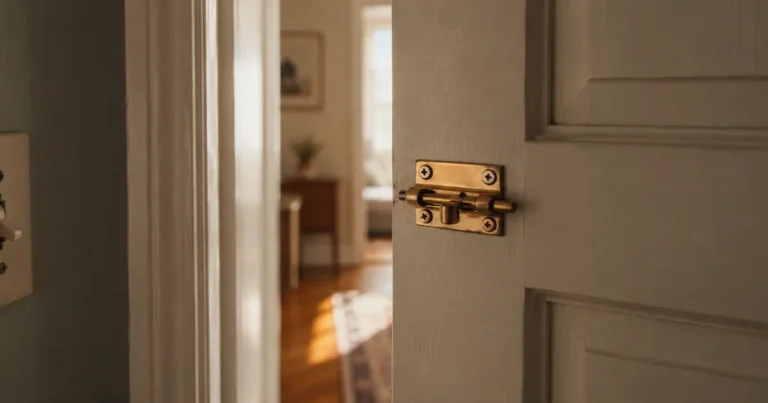
A small brass slide-lock newly installed on the inside of a bedroom door, catching soft afternoon light

Standard boundary-setting advice often backfires with narcissistic people — the boundary becomes a provocation rather than a limit. What actually works, and what consistently fails, follows a different logic than the advice written for ordinary relationships.

  • Dr. Imad Alkamal
  • August 28, 2026
  • P1 — Narcissistic Abuse

When You Can’t Go No Contact: Managing Unavoidable Narcissistic Exposure

A child's booster seat in the back of a car seen through the open door, with a small duffel bag beside it

When shared children, a workplace, or another tie makes full no contact impossible, the challenge shifts to managing unavoidable contact with minimal damage. The strategies that protect you in this situation are specific to the constraint of involuntary ongoing exposure.

  • Dr. Imad Alkamal
  • August 28, 2026
1 2 3 4 … 17
Next

Psychanatomy

logo cropped removebg preview

Affiliate Disclosure

This website contains affiliate links, meaning we may earn a commission if you purchase through them, at no extra cost to you. We only recommend products we believe are genuinely helpful and relevant to psychology and mental well-being.

Policies

  • Privacy Policy
  • Editorial Policy
  • Terms and Conditions
  • Affiliate Disclosure
  • Refund Policy
  • Legal Disclaimer
  • Cookie Policy

Explore

  • Home
  • Abuse & Recovery
  • Wellness
  • About
  • Contact

Copyright © 2026 Psychanatomy - All rights reserved

Manage Consent
To provide the best experiences, we use technologies like cookies to store and/or access device information. Consenting to these technologies will allow us to process data such as browsing behavior or unique IDs on this site. Not consenting or withdrawing consent, may adversely affect certain features and functions.
Functional Always active
The technical storage or access is strictly necessary for the legitimate purpose of enabling the use of a specific service explicitly requested by the subscriber or user, or for the sole purpose of carrying out the transmission of a communication over an electronic communications network.
Preferences
The technical storage or access is necessary for the legitimate purpose of storing preferences that are not requested by the subscriber or user.
Statistics
The technical storage or access that is used exclusively for statistical purposes. The technical storage or access that is used exclusively for anonymous statistical purposes. Without a subpoena, voluntary compliance on the part of your Internet Service Provider, or additional records from a third party, information stored or retrieved for this purpose alone cannot usually be used to identify you.
Marketing
The technical storage or access is required to create user profiles to send advertising, or to track the user on a website or across several websites for similar marketing purposes.
  • Manage options
  • Manage services
  • Manage {vendor_count} vendors
  • Read more about these purposes
View preferences
  • {title}
  • {title}
  • {title}

Review My Order

0

Subtotal

Taxes & shipping calculated at checkout

Checkout
0

Notifications