Skip to content
No results
  • Home
  • Abuse & Recovery
    • P1 — Narcissistic Abuse
    • P2 — Psychological Damage
    • P3 — Trauma Recovery
    • P4 — Recognition & Prevention
    • P5 — Narcissism in Specific Contexts
    • P6 — Children, Parenting & Intergenerational Trauma
    • P7 — Life Rebuilding After Abuse
    • P8 — Empowerment, Advocacy & Awareness
  • Wellness
    • W1 — Nutrition & Healthy Eating
    • W2 — Sleep Health
    • W3 — Fitness & Movement
    • W4 — Healthy Living
  • About
  • Contact
logo cropped removebg preview
Psychanatomy
  • P1 — Narcissistic Abuse

Documenting Narcissistic Abuse: How to Create a Record

A manila folder with color-coded tabs in a slightly open filing cabinet drawer with a pen resting on top

Keeping records of what happened — messages, dates, specific incidents — can protect you in ways you may not anticipate. Documentation matters even when legal action is not the goal, because it provides an anchor when memory is challenged.

  • Dr. Imad Alkamal
  • August 28, 2026
  • P1 — Narcissistic Abuse

Gray Rock Method: How to Disengage From a Narcissist

A smooth gray stone resting on plain white paper amid scattered colorful sticky notes on a desk

The gray rock method involves deliberately becoming as emotionally unreactive and unremarkable as possible when contact is unavoidable. It reduces return on emotional investment in situations where full no contact is not an option.

  • Dr. Imad Alkamal
  • August 28, 2026
  • P1 — Narcissistic Abuse

Safety Planning When Leaving a Narcissistic Relationship

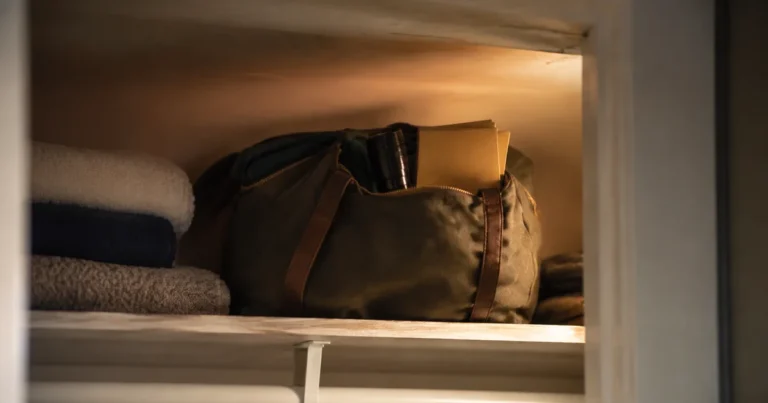
A packed overnight bag tucked on a closet shelf with a flashlight and folder visible at its opening

Leaving when someone has monitored you, controlled your finances, or made implied threats requires more than a decision — it requires a plan. Safety planning is not an overreaction; it is how safe exits actually happen.

  • Dr. Imad Alkamal
  • August 28, 2026
  • P1 — Narcissistic Abuse

No Contact After Narcissistic Abuse: Why It Works and How to Implement It

A freestanding mailbox with its flag down and unopened envelopes visible inside, grass growing around its post

No contact works by removing the source of intermittent reinforcement. Learn why this specific boundary tends to be more effective than gradual distance, and what makes maintaining it so difficult even once you understand what you are protecting yourself from.

  • Dr. Imad Alkamal
  • August 28, 2026
  • P1 — Narcissistic Abuse

Red Flags of Narcissistic Abuse in the Early Stages

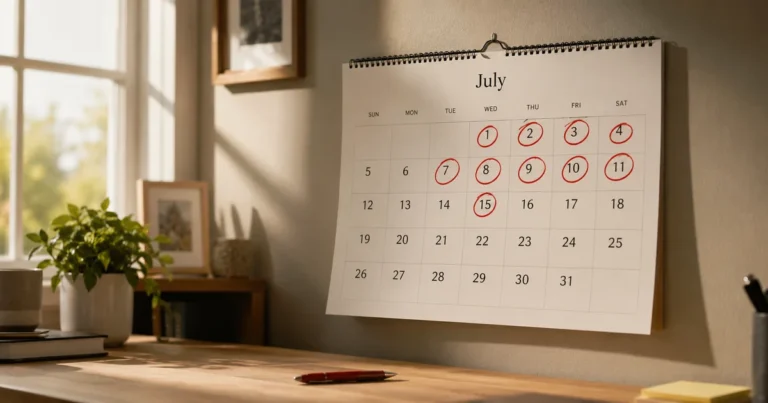
A wall calendar with several days circled in red ink and a red pen resting on the desk below it

Red flags in the early stages are easy to rationalize — intensity as passion, jealousy as caring, small controls as protectiveness. They are designed to look like something else, which is part of why they work.

  • Dr. Imad Alkamal
  • August 28, 2026
  • P1 — Narcissistic Abuse

How to Identify a Narcissist Before the Relationship Deepens

A candlelit table for two with one untouched wine glass and a single wilting rose

Early warning signs of narcissism can be hard to read when charm and attentiveness feel like genuine connection. What is actually worth paying attention to in early stages is specific — and different from what ordinary caution flags.

  • Dr. Imad Alkamal
  • August 28, 2026
  • P1 — Narcissistic Abuse

Escaping Narcissistic Abuse: How to Recognize It, Leave Safely, and Protect Yourself

A packed suitcase by a front door with car keys resting on top and a coat on a hook beside it

Leaving a narcissistic relationship is possible, but it requires more than a decision — it requires understanding why leaving feels difficult and what a safe exit involves. Recognizing the pattern, preparing practically, and knowing what to expect all matter.

  • Dr. Imad Alkamal
  • August 28, 2026
  • P1 — Narcissistic Abuse

The Role of Shame in Keeping Victims Silent and Trapped

A small locked diary resting closed on a nightstand beside an unused pen

Shame keeps more people silent about narcissistic abuse than almost any other factor — attaching to the harmed rather than the harmful. Its grip on disclosure is worth understanding, because naming it is often the first step toward releasing it.

  • Dr. Imad Alkamal
  • August 28, 2026
  • P1 — Narcissistic Abuse

Isolation and Dependency: Why Leaving Feels Like There Is Nowhere to Go

An umbrella stand by a front door with a single umbrella and faint outlines where others once stood

When a relationship narrows your world — your finances, support network, and sense of what's possible — leaving can stop feeling like a real option. Isolation-driven dependency is manufactured to make the relationship feel irreplaceable.

  • Dr. Imad Alkamal
  • August 28, 2026
  • P1 — Narcissistic Abuse

Fear as a Trap: How Narcissists Use Consequences to Keep Victims

A garden gate left slightly open with a loose chain and padlock still looped through it

Fear of consequences after leaving is a rational response to real threats, not a weakness. Narcissists use implied and explicit consequences to maintain entrapment — the fear was earned, which is exactly what makes it difficult to dismiss.

  • Dr. Imad Alkamal
  • August 28, 2026
Prev
1 2 3 4 5 … 17
Next

Psychanatomy

logo cropped removebg preview

Affiliate Disclosure

This website contains affiliate links, meaning we may earn a commission if you purchase through them, at no extra cost to you. We only recommend products we believe are genuinely helpful and relevant to psychology and mental well-being.

Policies

  • Privacy Policy
  • Editorial Policy
  • Terms and Conditions
  • Affiliate Disclosure
  • Refund Policy
  • Legal Disclaimer
  • Cookie Policy

Explore

  • Home
  • Abuse & Recovery
  • Wellness
  • About
  • Contact

Copyright © 2026 Psychanatomy - All rights reserved

Manage Consent
To provide the best experiences, we use technologies like cookies to store and/or access device information. Consenting to these technologies will allow us to process data such as browsing behavior or unique IDs on this site. Not consenting or withdrawing consent, may adversely affect certain features and functions.
Functional Always active
The technical storage or access is strictly necessary for the legitimate purpose of enabling the use of a specific service explicitly requested by the subscriber or user, or for the sole purpose of carrying out the transmission of a communication over an electronic communications network.
Preferences
The technical storage or access is necessary for the legitimate purpose of storing preferences that are not requested by the subscriber or user.
Statistics
The technical storage or access that is used exclusively for statistical purposes. The technical storage or access that is used exclusively for anonymous statistical purposes. Without a subpoena, voluntary compliance on the part of your Internet Service Provider, or additional records from a third party, information stored or retrieved for this purpose alone cannot usually be used to identify you.
Marketing
The technical storage or access is required to create user profiles to send advertising, or to track the user on a website or across several websites for similar marketing purposes.
  • Manage options
  • Manage services
  • Manage {vendor_count} vendors
  • Read more about these purposes
View preferences
  • {title}
  • {title}
  • {title}

Review My Order

0

Subtotal

Taxes & shipping calculated at checkout

Checkout
0

Notifications