

Supporting Article (W1-S2-A3 · 2 of 6) | Plant-Based Eating: A Practical Introduction
1. What This Article Covers
Plant based eating has become one of the most discussed approaches to nutrition, but the term covers a wide spectrum of dietary patterns — from fully vegan to plant-forward diets that still include some animal products. If you are trying to understand what plant-based eating actually means, what the evidence shows, and how to approach it practically, this article is for you.
This article focuses specifically on plant based eating as a dietary approach for generally healthy adults — its definition, its evidence base, and the nutritional considerations that matter in practice. For a broader comparison of evidence-based dietary patterns including plant-forward eating alongside others, see Evidence-Based Dietary Patterns: What the Research Actually Shows.
2. What the Evidence Shows
The health evidence for plant-based dietary patterns is substantial and increasingly well-characterized. A large 2023 meta-analysis of prospective cohort studies found that better adherence to plant-based dietary patterns was associated with significantly lower risks of type 2 diabetes, cardiovascular disease, cancer, and all-cause mortality across a pool of more than two million participants (Wang et al., 2023). This is observational evidence — it identifies consistent associations without establishing causation, and it reflects overall dietary patterns rather than plant-based eating as a fixed protocol.
An important nuance in the research is the distinction between healthy and less-healthy plant-based patterns. Plant-based diets high in whole foods — vegetables, legumes, whole grains, nuts, and fruits — show the strongest associations with favorable health outcomes. Plant-based diets that substitute refined grains and sugar for animal products do not show the same benefit. The health associations are with the quality of plant foods, not simply their presence.
The strength of the evidence for plant-based dietary patterns comes from consistency across many large independent studies. As with all dietary pattern research, it reflects associations, not individual guarantees. A plant-based diet built around refined carbohydrates does not carry the same evidence as one built around whole plant foods.
3. The Spectrum of Plant-Based Eating
Plant based eating is not one diet — it describes a family of dietary patterns that place plant foods at the center while varying in how much, if any, animal product they include.
Common approaches along the spectrum include:
- Vegan: No animal products of any kind — no meat, fish, dairy, or eggs
- Vegetarian (lacto-ovo): No meat or fish; eggs and dairy are included
- Pescatarian: No meat; fish, eggs, and dairy are included
- Plant-forward or flexitarian: Predominantly plant foods, with occasional meat or animal products
- Mediterranean-aligned: Heavily plant-based with regular fish, limited meat, and dairy in moderate amounts
The evidence base includes all of these approaches to varying degrees. Fully vegan and vegetarian patterns have been studied for the longest time; plant-forward and flexitarian patterns are increasingly represented in the research. The strongest associations with health outcomes consistently appear in patterns characterized by abundant whole plant foods, regardless of whether animal products are entirely excluded.
4. Key Nutritional Considerations
Plant-based eating has clear evidence for health benefits, and it also comes with specific nutritional considerations that require attention. A systematic review comparing adults on plant-based diets to meat-eaters found that plant-based diets were consistently associated with lower intake and blood status of vitamin B12, calcium, iodine, and omega-3 fatty acids (Neufingerl & Eilander, 2022). These are not reasons to avoid plant-based eating — they are reasons to plan it thoughtfully.
Vitamin B12. B12 is found almost exclusively in animal products. It is the one nutrient that cannot be obtained reliably from plant foods alone. Adults following fully plant-based or largely plant-based diets should ensure their B12 needs are met through B12-fortified foods (such as some plant milks, nutritional yeast, and certain cereals) or supplementation. This applies most critically to vegans but is relevant for long-term vegetarians as well.
Iron. Plant foods provide non-heme iron, which is absorbed less efficiently than the heme iron in meat. However, consuming vitamin C-rich foods alongside iron-rich plant foods (legumes, dark leafy greens, fortified grains) increases absorption meaningfully. Many long-term plant-based eaters maintain adequate iron status with attention to food combinations, though individuals with higher iron needs should monitor their levels.
Calcium. Dairy-free plant-based diets can meet calcium needs through consistent inclusion of calcium-rich plant foods — dark leafy greens (particularly kale and bok choy), legumes, calcium-set tofu, and fortified plant milks. The availability of calcium-fortified foods makes meeting needs more practical than it was in earlier decades.
Omega-3 fatty acids. Fatty fish are the primary dietary source of EPA and DHA — the long-chain omega-3s most relevant to cardiovascular and brain health. Plant foods provide alpha-linolenic acid (ALA), a precursor that converts to EPA and DHA at low rates. Algae-based omega-3 supplements provide EPA and DHA directly without fish. Including walnuts, flaxseeds, and chia seeds supports ALA intake within a plant-based eating approach.
5. Building a Balanced Plant-Based Plate
The practical goal of plant based eating is to ensure that plant foods are providing nutritional density across the day — not just replacing animal products with refined alternatives. Several food groups anchor a well-constructed plant-based eating approach:
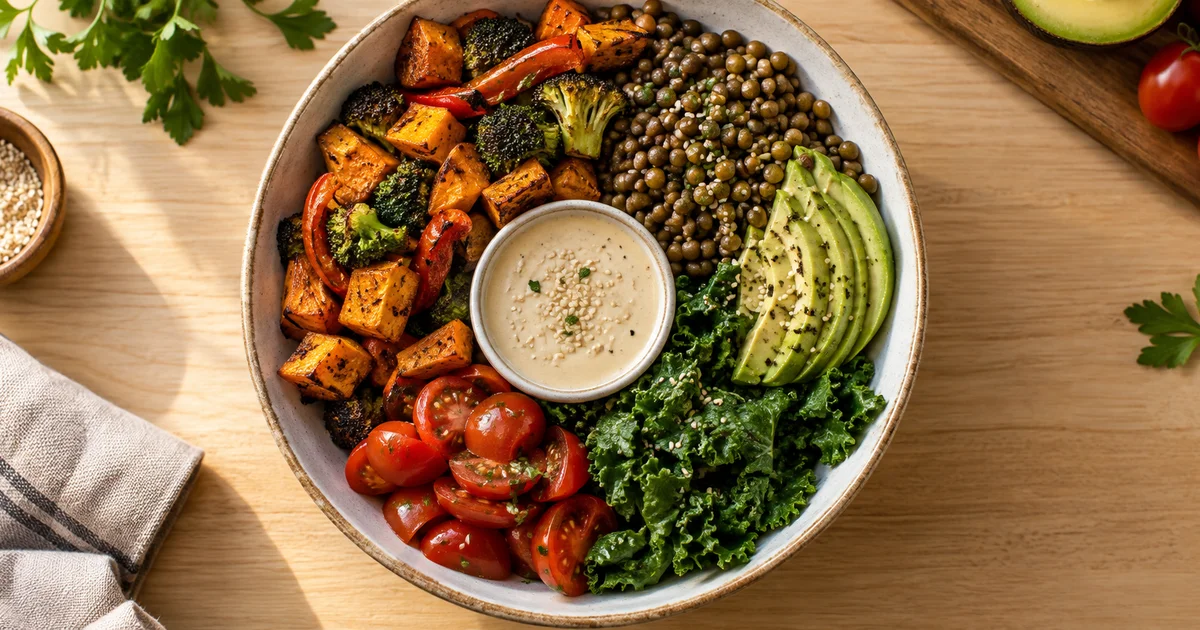
Legumes. Lentils, chickpeas, black beans, edamame, and other legumes are high in protein, fiber, iron, zinc, and folate. Making legumes a daily feature of plant-based eating covers several nutritional bases at once and supports satiety.
Whole grains. Oats, brown rice, quinoa, barley, and whole wheat products provide complex carbohydrates, B vitamins, fiber, and meaningful amounts of plant protein. Choosing whole over refined grains significantly changes the nutritional profile of a plant-based diet.
Nuts and seeds. Walnuts, almonds, pumpkin seeds, flaxseeds, and chia seeds provide healthy fats, zinc, magnesium, and ALA omega-3s. A small daily portion covers important micronutrient gaps common in plant-based eating patterns.
Leafy greens and colorful vegetables. Dark leafy greens (spinach, kale, collards) are among the most nutrient-dense foods available — providing calcium, iron, folate, and phytonutrients. Including them regularly is one of the most impactful features of a well-planned plant-based approach.
6. Practical Guidance
Starting with plant based eating does not require eliminating foods all at once. Most nutritional benefits come from increasing whole plant foods as a proportion of overall eating — even without complete elimination of animal products.
Three practical starting points:
1. Make legumes a regular meal feature. Adding lentils, chickpeas, or beans to three or four meals per week is one of the most nutritionally impactful steps in plant-based eating. They are versatile, inexpensive, and cover protein, fiber, and iron simultaneously.
2. Default to whole grains over refined options. Choosing oats over instant porridge products, brown rice over white, and whole grain bread over white bread gradually shifts the nutritional quality of plant-based meals in the direction the evidence supports.
3. Include B12-fortified foods or plan for B12 adequacy. For those reducing or eliminating animal products substantially, addressing B12 from the start is more practical than addressing a deficiency later. Fortified plant milks, nutritional yeast, and fortified cereals are widely available practical sources.
A useful audit: look at your current meals and identify which ones naturally anchor around plant foods. Many people already eat plant-heavy dinners several times per week. Building from those existing meals — rather than starting from scratch — is the most sustainable path into plant-based eating.
7. Keep Reading
Plant based eating is one of several dietary patterns examined in Evidence-Based Dietary Patterns: What the Research Actually Shows, which places it in context alongside the Mediterranean diet, DASH, and other approaches studied in the research literature.
For readers interested in understanding the Mediterranean diet more specifically — a dietary pattern that shares many features with plant-forward eating while including fish and some animal products — The Mediterranean Diet: What It Is and What the Evidence Shows covers its components and evidence base in depth.
When you are ready to think about the broader food environment and the distinction between whole-food and industrially processed options, Whole Foods vs. Ultra-Processed Foods: Understanding the Difference provides the framework the research uses to categorize and study food processing levels.
8. Frequently Asked Questions
Do I have to become vegan to benefit from plant-based eating?
No. The evidence for plant-based dietary patterns is not limited to fully vegan diets. Research consistently finds health associations across the spectrum from vegetarian to plant-forward and flexitarian eating. The strongest predictor of benefit appears to be the quality and abundance of whole plant foods in the diet, not whether animal products are entirely excluded. Many people achieve meaningful shifts in their dietary pattern without eliminating animal foods completely.
Can a plant-based diet provide enough protein?
Yes, protein needs can be met through a well-planned plant-based diet. Legumes, tofu, tempeh, edamame, whole grains, nuts, and seeds all contribute meaningful protein. The practical key is including legumes regularly and varying protein sources across the day. Complete protein combinations — such as legumes with grains — occur naturally in traditional plant-based cuisines and do not require deliberate meal-level planning.
What is the most important nutritional consideration in plant-based eating?
Vitamin B12 is the nutritional consideration that requires the most deliberate attention, particularly for people who eliminate or substantially reduce animal products. It cannot be reliably obtained from plant foods alone. All other nutritional considerations — iron, calcium, omega-3s — can generally be addressed through food choices, though they warrant attention in diet planning. Long-term plant-based eaters benefit from periodic monitoring of B12 and iron status.
How long does it take to see health benefits from plant-based eating?
The research on plant-based dietary patterns and health outcomes is based on long-term habitual eating — studies that track dietary patterns over years or decades. It does not establish a specific timeline for individual health change. Short-term dietary interventions have shown effects on markers such as blood pressure, cholesterol, and blood sugar within weeks to months, but these are study findings in specific populations, not guarantees for any individual. A dietary change matters most as a long-term pattern, not as a short-term intervention.
References
- Neufingerl, N., & Eilander, A. (2022). Nutrient intake and status in adults consuming plant-based diets compared to meat-eaters: A systematic review. Nutrients, 14(1), 29.
- Wang, Y., et al. (2023). Associations between plant-based dietary patterns and risks of type 2 diabetes, cardiovascular disease, cancer, and mortality: A systematic review and meta-analysis. Nutrition Journal, 22(1), 46.
This article was drafted with AI assistance and reviewed and approved by The Psychanatomy Editorial Team before publication.

