

Core Reference (W1-S6-A1 · 1 of 7) | Gut Health and Diet: What the Science Actually Shows
About This Article
This Core Reference covers the evidence on diet and the gut microbiome — what the gut microbiome is, how diet shapes it, and what dietary patterns the research consistently associates with better gut health outcomes. It introduces each of the six supporting articles in this silo without exhausting any of them, and it is the right starting point for anyone who wants the full picture before going deeper on any single thread.
Key Takeaways
- The gut microbiome — trillions of microorganisms living in the colon — responds directly to what you eat, shifting composition measurably within days of a dietary change.
- Dietary fiber is the most consistently evidence-backed dietary factor for microbiome health, with higher intake associated with greater bacterial diversity and short-chain fatty acid production.
- Fermented foods and plant food variety support microbiome diversity through different but complementary mechanisms.
- The gut microbiome connects diet to health outcomes beyond digestion — including immune function, metabolic regulation, and the brain.
- A diverse, plant-rich diet remains the best-evidenced general strategy for gut health, with no single food or supplement replacing consistent dietary variety.
1. What This Article Covers
The relationship between gut health and diet has moved from fringe to mainstream faster than most areas of nutrition research. This happened because the science underpinning it became unexpectedly solid in a short time — not solid enough to support every popular claim made in its name, but solid enough to make gut health a legitimate and important consideration in dietary guidance.
This article covers what gut health actually means, what the science shows about how diet shapes it, and what that evidence means in practical terms. It covers the gut microbiome: what it is, why it matters, and how the food you eat directly shapes its composition and function. It is a Core Reference — a broad overview of this silo’s full territory. Each of the six supporting articles linked throughout this piece goes deeper on a specific thread without circling back to cover what this article addresses.
2. What the Gut Microbiome Is
The gut microbiome is the community of microorganisms — primarily bacteria, but also archaea, fungi, viruses, and protozoa — that live in the gastrointestinal tract. The majority of this community resides in the colon, where fermentation conditions are right for a large and diverse microbial population.
A rough count gives between 10 trillion and 100 trillion microbial cells in the adult gut — comparable in number to the total cells in the human body. These organisms are not passive passengers. They are metabolically active, performing functions the human body cannot perform without them: fermenting dietary fiber into short-chain fatty acids, synthesizing certain vitamins (K2, B12, B2), metabolizing bile acids, training the immune system, and producing neurotransmitter precursors. The gut microbiome is now understood as a metabolic organ — not in the sense of a discrete anatomical structure, but in the sense of a functional system that performs identifiable metabolic work essential to human health.
What “gut health” typically means in research and clinical contexts is some combination of: – Microbiome diversity (many different species, with balanced proportions) – Microbiome stability (resilience to perturbation, recovery after disruption) – Gut barrier integrity (the intestinal lining’s ability to selectively permit absorption while blocking unwanted bacterial products) – Gut immune function (appropriate inflammatory response, not chronic low-grade inflammation) – Digestive function (transit time, stool consistency, absence of persistent symptoms)
These dimensions are connected but not identical. A diet that improves microbiome diversity does not automatically fix barrier integrity; a probiotic that improves one digestive symptom does not necessarily shift microbiome composition. Research in this field is active because the connections between these dimensions are still being worked out.
3. How Diet Shapes Gut Microbial Communities
The gut microbiome changes in response to what you eat more rapidly and directly than almost any other health-relevant biological system. Research on dietary interventions — switching people between different dietary patterns and tracking microbiome composition over time — consistently finds measurable changes within 24–72 hours of a dietary shift (David et al., 2014). This responsiveness is both the opportunity and the challenge in this field: the opportunity because diet genuinely changes the microbiome, and the challenge because the changes are not always permanent without sustained dietary patterns.
Fiber is the primary driver. Gut bacteria in the colon ferment dietary fiber — the structural carbohydrates in plant foods that human digestive enzymes cannot break down. This fermentation produces short-chain fatty acids (SCFAs), particularly butyrate, propionate, and acetate. SCFAs nourish the colon lining, regulate local immune signaling, and serve as systemic signaling molecules. Research examining dietary fiber interventions in healthy adults finds consistent increases in Bifidobacterium and Lactobacillus species — the two genera most broadly associated with favorable gut outcomes — with higher fiber intakes (So et al., 2018). These are meta-analysis findings across multiple dietary fiber trials, not single-study observations.
Plant variety compounds the fiber effect. Different plant foods contain different fiber structures — inulin (from garlic and onions), beta-glucan (from oats), pectin (from apples), resistant starch (from legumes and cooled cooked grains) — each of which supports a somewhat different set of bacterial producers. Eating a wide variety of plant foods consistently feeds a wider range of bacterial species, which is why plant food variety, not fiber quantity alone, appears to be the more powerful predictor of microbiome diversity in population research.
Fermented foods add living microorganisms. Yogurt, kefir, traditional kimchi, sauerkraut, and miso introduce live lactic acid bacteria and other microorganisms into the gut during transit. These contribute to microbiome diversity through a mechanism different from fiber — they add organisms rather than feeding the ones already there. The two mechanisms are complementary: a diverse plant food diet creates a more receptive gut environment for the live organisms that fermented foods introduce.
Dietary patterns compound all of these effects. A diet consistently high in plant foods, fermented foods, and diverse fiber types — broadly resembling a Mediterranean-style or plant-rich dietary pattern — creates the substrate-rich, low-inflammation, high-diversity gut environment that research consistently associates with favorable health outcomes. The gut microbiome reflects dietary patterns over time more than individual meals.
4. The Evidence on Specific Dietary Factors
The six supporting articles in this silo each cover one thread of the diet-gut relationship in depth. Here is a brief orientation to what each covers:
Dietary fiber is the best-evidenced single dietary factor for gut microbiome health. The fermentation-to-SCFA pathway is well-characterized, the meta-analysis evidence is consistent, and practical guidance is clear. Dietary Fiber and the Gut Microbiome: What We Know covers fiber types, their specific gut effects, and how much is enough.
Fermented foods introduce live microorganisms and contribute to gut bacterial diversity, with evidence from systematic reviews showing consistent associations with favorable microbiome and digestive outcomes across multiple fermented food categories. The evidence quality and strength vary considerably by food type, however — yogurt and kefir are better-evidenced than many others. Fermented Foods and Gut Health: Evidence Review covers what the evidence actually says, by food category.
Prebiotics and probiotics from food are related but distinct concepts: prebiotics feed gut bacteria, probiotics add living organisms to the gut. Many everyday foods supply one or both, and combining them creates synbiotic effects in which prebiotic substrate feeds the probiotic organisms. Prebiotics and Probiotics From Food: A Beginner’s Guide explains the difference and covers which foods supply each.
The gut-brain connection is an active research area that connects gut microbiome composition to brain function and mental health through neural, immune, and metabolic pathways. The relationship is bidirectional — psychological stress affects gut function, and gut microbiome changes affect brain signaling. The Gut-Brain Connection: What the Research Shows covers the pathways and what they mean practically.
Digestive symptoms and dietary factors are closely connected, with specific food components (FODMAPs, lactose, gluten in susceptible individuals) contributing to bloating, constipation, loose stools, and functional GI conditions. The low-FODMAP diet is the most evidence-based dietary approach to functional gut symptoms. Common Digestive Discomforts and Dietary Factors covers the common patterns and what dietary changes can help.
Gut microbiome diversity — specifically how to build it through diet — is covered in How to Support Gut Microbiome Diversity Through Diet, including the plant variety evidence, fermented foods, and practical frameworks.
5. Dietary Patterns and Gut Health
Individual foods and nutrients matter, but dietary patterns — the habitual combination of what people eat over time — are the dominant predictor of long-term gut microbiome composition and health outcomes.
Mediterranean-style dietary patterns are the most consistently studied in relation to gut health, in part because they predate the microbiome research era and already had an established evidence base from cardiovascular and metabolic research. Mediterranean-style eating is high in diverse plant foods, olive oil, fish, legumes, and moderate fermented dairy; low in processed meats and ultra-processed foods. Research consistently finds that adherence to Mediterranean-style eating is associated with higher gut microbiome diversity, greater SCFA production, lower inflammatory markers, and lower risk of inflammatory gut conditions.
Plant-rich dietary patterns more broadly — defined by high plant food variety and volume, regardless of specific Mediterranean-style adherence — consistently associate with higher microbiome diversity. The unifying mechanism is consistent: diverse plant foods supply diverse fiber types feeding diverse bacterial communities.
Ultra-processed food dominance is the most consistent inverse predictor of microbiome diversity in population data. Highly processed foods supply almost no fermentable substrate for gut bacteria, leaving the microbiome substrate-starved regardless of total calorie intake. The processing removes the fiber matrix, polyphenols, and structural complexity that drive microbiome-supporting fermentation.
Protein source has less consistent evidence than fiber or plant food variety for microbiome effects. Some research suggests that high red meat intake associates with less favorable gut bacteria profiles, while fish and plant protein sources associate more favorably, but the evidence is weaker and more confounded by overall dietary pattern.
Dietary patterns — not individual foods in isolation — are the dominant driver of long-term gut microbiome composition. A consistently plant-rich, fiber-diverse, fermented-food-inclusive diet is the most evidence-supported general approach to gut health.
6. Gut Health Beyond Digestion
The gut microbiome influences health beyond digestion. The emerging evidence connects gut bacterial activity to immune function, metabolic health, weight regulation, and the brain.
Immunity is perhaps the most established systemic connection. Approximately 70% of the body’s immune cells reside in or around the gut, and the gut microbiome directly shapes how those immune cells develop, activate, and respond. Research demonstrates that gut microbiota serve as a critical bridge between dietary nutrients and host immune function, with diet-driven microbiome changes producing downstream changes in immune signaling (Fan et al., 2023). This includes both local gut immunity and systemic immune responses. The practical implication is that a diet supporting a healthy gut microbiome is also a diet supporting immune function — not in a supplement-ad sense, but in a genuinely mechanistic one.
Metabolic health connects to gut microbial diversity through SCFA signaling, bile acid metabolism, and insulin sensitivity pathways. Lower gut microbiome diversity is consistently observed in metabolic syndrome, obesity, and type 2 diabetes, though the causal direction is complex and both the diet and the metabolic condition contribute to microbiome composition.
The gut-brain axis — the bidirectional communication network between gut microbial activity and brain function — is covered in The Gut-Brain Connection: What the Research Shows. The key takeaway from a dietary perspective is that the same dietary approaches that support gut microbiome health also have plausible mechanistic connections to mental health, though the evidence for diet-to-mood through the gut specifically is still developing.
Microbiome diversity as a broader marker. How to support microbiome diversity through consistent dietary variety is covered in How to Support Gut Microbiome Diversity Through Diet.
7. Practical Guidance
The evidence on gut health and diet converges on a relatively short list of practical priorities:
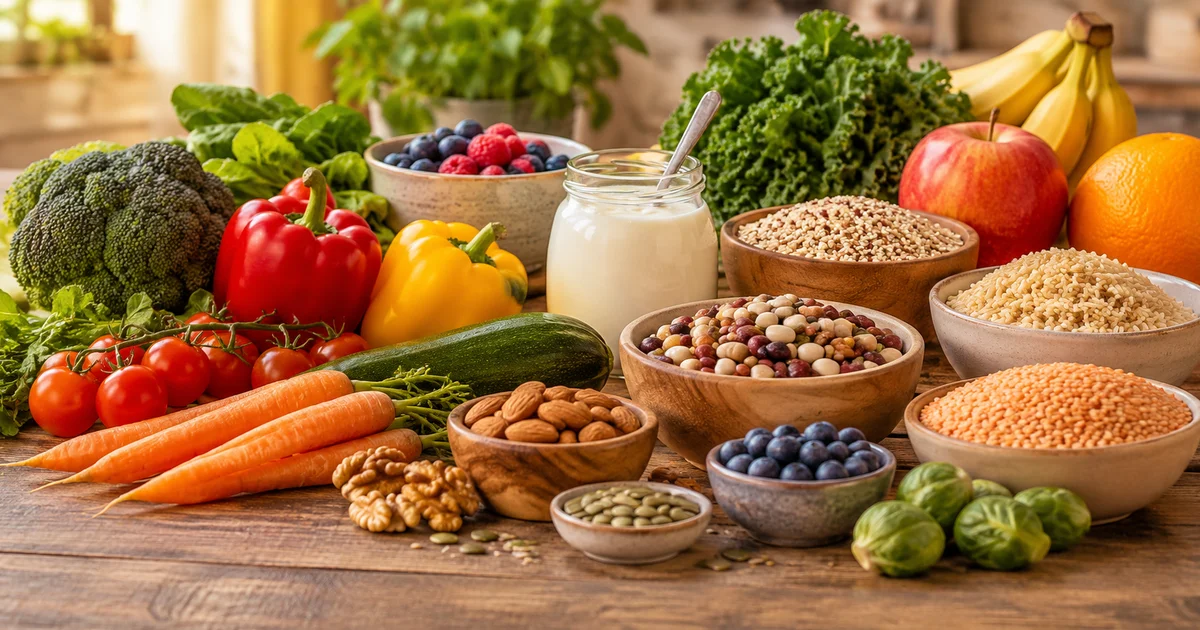
Eat a wide variety of plant foods consistently. This is the most evidence-supported single change. High plant food variety — 30+ different types of vegetables, fruits, whole grains, legumes, nuts, seeds, herbs, and spices per week — is the strongest population-level predictor of gut microbiome diversity. Variety matters more than any specific superfood.
Include regular fermented foods. Yogurt or kefir with live and active cultures, consumed consistently (not just occasionally), is the most accessible and well-evidenced option. Traditional, unpasteurized kimchi or sauerkraut are alternatives for those who do not consume dairy.
Prioritize fiber from diverse plant sources. This means covering multiple fiber types — soluble (oats, legumes, apples), insoluble (whole grains, vegetables), and resistant starch (cooled cooked grains, legumes, underripe bananas). The specific source matters less than covering multiple categories regularly. Dietary Fiber and the Gut Microbiome: What We Know covers the evidence on fiber types in detail.
Reduce ultra-processed food proportion. The goal is proportion, not perfection. Ultra-processed foods crowd out the plant foods and fermented foods that support microbiome diversity; reducing their proportion in the overall diet frees space for the foods that build it.
Manage the transition gradually. Sudden large increases in fiber intake typically cause temporary bloating and gas while the gut microbiome adjusts. Gradual increases over 2–4 weeks are more comfortable and more sustainable.
Two consistent daily habits support gut microbiome health most reliably: eating a diverse range of plant foods (aim for variety across categories, not just volume) and including at least one fermented food with live cultures. These two habits together — plant variety for substrate and fermented foods for live organisms — work through complementary mechanisms and compound each other’s effects.
8. Deeper Reading Guide
Each supporting article in this silo covers one thread of the evidence in depth. Here is where to go from here:
Dietary Fiber and the Gut Microbiome: What We Know — fiber types, their specific fermentation effects, SCFA production, and what the meta-analysis evidence shows about fiber interventions on gut microbiota composition.
Fermented Foods and Gut Health: Evidence Review — what the evidence shows by fermented food category (yogurt, kefir, kimchi, sauerkraut, kombucha), including how quality and strength of evidence vary across categories and what “live cultures” actually means.
Prebiotics and Probiotics From Food: A Beginner’s Guide — the distinction between prebiotics (which feed gut bacteria) and probiotics (which add living organisms), food sources for each, and what the evidence shows about synbiotic effects.
The Gut-Brain Connection: What the Research Shows — the bidirectional communication pathways between gut microbial activity and brain function, what the evidence shows about gut microbiota and mental health, and what dietary and psychological approaches have the strongest support.
Common Digestive Discomforts and Dietary Factors — bloating, constipation, loose stools, reflux, food intolerances, FODMAPs, and what dietary changes have the best evidence for each.
How to Support Gut Microbiome Diversity Through Diet — the plant variety evidence, practical strategies for reaching 30+ plant types per week, fiber diversity, and how to build a dietary framework around microbiome diversity.
9. Frequently Asked Questions
What is the relationship between gut health and diet?
Diet is the primary driver of gut microbiome composition. The gut microbiome — trillions of bacteria living in the colon — depends almost entirely on what reaches the colon for its substrate. Dietary fiber is fermented by gut bacteria into short-chain fatty acids that nourish the colon lining and regulate immune and metabolic signaling. Plant food variety feeds a wider range of bacterial species. Fermented foods add live organisms to the community. The microbiome shifts measurably within days of a dietary change, and long-term dietary patterns are the dominant predictor of gut microbiome composition and diversity.
What foods are best for gut health?
No single food defines “gut health” eating. The most evidence-consistent approach emphasizes: a wide variety of plant foods (vegetables, fruits, whole grains, legumes, nuts, seeds, herbs, spices); regular fermented foods with live cultures (yogurt, kefir, traditional kimchi or sauerkraut); adequate total dietary fiber from diverse sources; and a low proportion of ultra-processed foods. This dietary pattern is associated in population research with higher microbiome diversity, more SCFA production, lower inflammatory markers, and better digestive outcomes.
Does diet affect the gut microbiome quickly?
Yes — gut microbial composition changes measurably within 24–72 hours of a significant dietary shift. This responsiveness cuts both ways: shifting toward a more plant-rich, fiber-diverse diet improves microbiome composition relatively quickly, but reverting to a low-fiber diet reduces it equally quickly. Long-term dietary patterns, not occasional healthy eating, sustain the microbiome changes consistently.
Is gut health related to mental health?
The gut-brain axis is a well-characterized bidirectional communication network connecting gut microbial activity to brain function through neural, immune, and metabolic pathways. Research consistently finds that gut microbiome composition differs between people with anxiety and depression and healthy controls. The relationship is associative, not simple causation, and runs in both directions — psychological stress changes gut function, and gut microbiome changes influence brain signaling. A diet that supports gut microbiome health has plausible mechanisms for supporting mental health, though the dietary→gut→brain direction specifically is still an active area of research.
Does gut health affect immunity?
Yes, through well-characterized pathways. Approximately 70% of the body’s immune cells reside in or near the gut, and gut bacterial activity directly shapes how those cells develop and respond. The gut microbiome mediates between dietary nutrients and host immune function; diet-driven microbiome changes produce downstream changes in inflammatory signaling. This is not the same as “probiotics prevent illness” — it is a mechanistic connection between dietary patterns, microbiome composition, and immune regulation.
What is the gut microbiome?
The gut microbiome is the community of microorganisms — primarily bacteria — living in the gastrointestinal tract, mostly in the colon. It contains between 10 trillion and 100 trillion microbial cells from thousands of different species. These organisms perform functions the human body depends on: fermenting fiber into short-chain fatty acids, synthesizing vitamins, metabolizing bile acids, training the immune system, and producing neurotransmitter precursors. It functions as a metabolic organ, responding directly to diet and influencing health outcomes beyond digestion.
How long does it take to improve gut health through diet?
Gut microbial composition responds to dietary changes within days — research examining what happens when people shift dietary patterns finds measurable bacterial community changes within 24–72 hours (David et al., 2014). Improvements in short-chain fatty acid production and microbiome diversity markers from consistent dietary change appear in intervention studies that run several weeks, though onset and magnitude vary by individual and outcome measured. Downstream outcomes — gut barrier integrity, immune regulation, digestive symptom burden — are less consistent in their timelines and depend on many factors beyond diet alone. There is no single timeline for “improved gut health” — the microbiome reflects ongoing dietary inputs rather than a one-time reset.
References
- David, L. A., Maurice, C. F., Carmody, R. N., Gootenberg, D. B., Button, J. E., Wolfe, B. E., Ling, A. V., Devlin, A. S., Varma, Y., Fischbach, M. A., Biddinger, S. B., Dutton, R. J., & Turnbaugh, P. J. (2014). Diet rapidly and reproducibly alters the human gut microbiome. Nature, 505(7484), 559–563. https://pubmed.ncbi.nlm.nih.gov/24336217/
- So, D., Whelan, K., Rossi, M., Morrison, M., Holtmann, G., Kelly, J. T., Shanahan, E. R., Staudacher, H. M., & Campbell, K. L. (2018). Dietary fiber intervention on gut microbiota composition in healthy adults: A systematic review and meta-analysis. The American Journal of Clinical Nutrition, 107(6), 965–983. https://pubmed.ncbi.nlm.nih.gov/29757343/
- Fan, L., Xu, C., Ge, Q., Lin, Y., Wong, C. C., & Qi, Y. (2023). Gut microbiota bridges dietary nutrients and host immunity. Science China Life Sciences, 66(11), 2466–2514. https://pubmed.ncbi.nlm.nih.gov/37286860/
This article was drafted with AI assistance and reviewed and approved by The Psychanatomy Editorial Team before publication.

